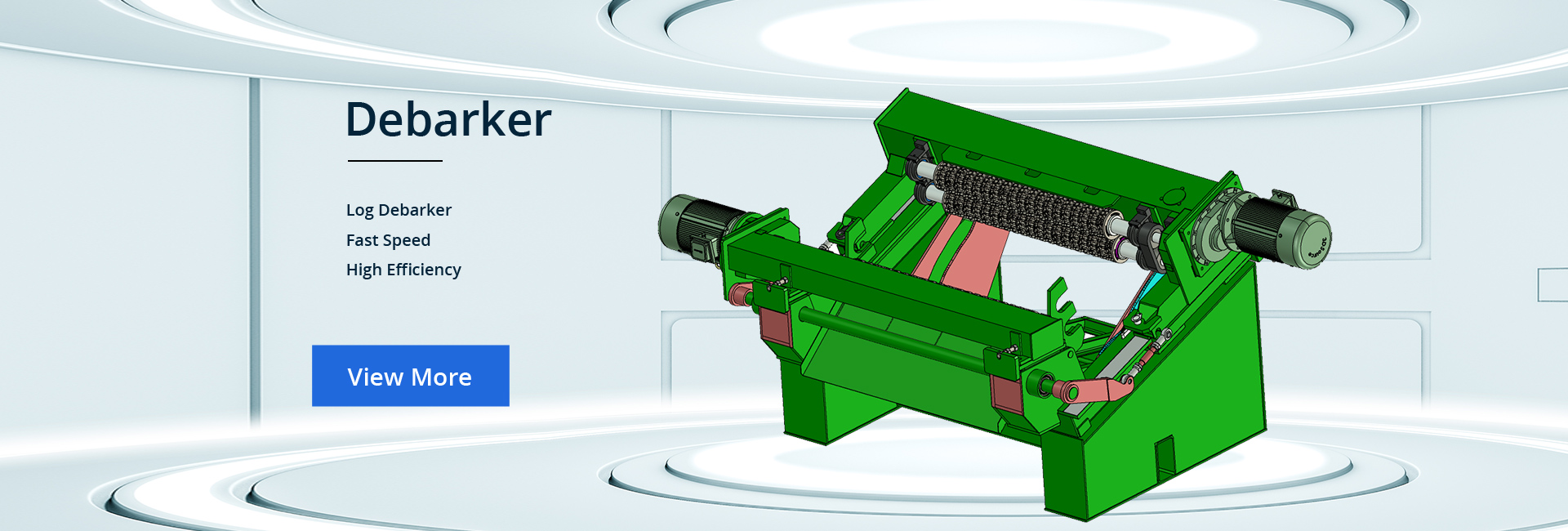
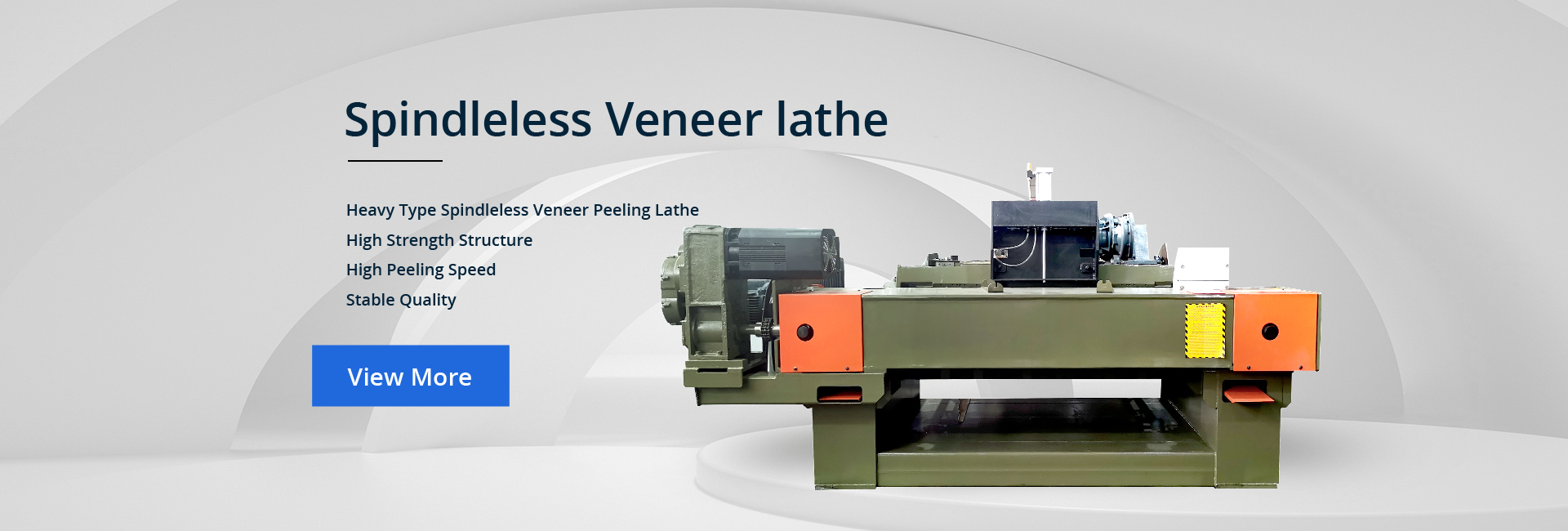
We supply machines for wood based panel industry. Wood products include veneer, plywood, LVL, OSB.
We provide everything from single machine, separate production lines, whole plant planning, design, analyzing and selection. We can supply tools, auxiliary materials for the entire production process.
With 20 years’ experience in woodworking machinery, we are able to provide right scheme to our customers.
Several lines of 4ft & 8ft Spindleless Wood veneer peeling machine has been supplied to domestic and foreign markets.
NEWS
Stable moisture content- key to a strong bondControlling veneer moisture level is the most important task a operator has to do. Adequate drying not only guarantees that, when glue is spread, it enters into contact with the hardwood evenly but also generates well-bonded hot pressing which results in
Setting Temperature Too HighThe most common mistakes is drying before optimum temperature to speed up production. This phenomena causes veneer to crack, become brittle and unevenly moistened. To account for this, a controlled temperature curve should be used — specific to the wood type and thickness
Step 1: Machine Installation and Pre-Start CheckMake sure before operation, the veneer drying machine is installed on a stable foundation. Inspect heating systems, fans, conveyor belts, and electrical connections to ensure that all parts are in a safe operating condition.Step 2: The second step is s
Understanding Veneer Drying FundamentalsMoisture plays a significant impact on quality veneer and plywood bonding, which a proficient operator must be aware of. With good drying, stable glue absorption, firm pressing and homogeneous board performance can be ensured.Machine Operation and Parameter Co
Controls the Veneer Drying ProcessThe veneer drying machine operator is the one in charge of controlling the moisture from green sheets after they are peeled. They are responsible only for reducing moisture uniformly so that the veneer will be adequately dried to use in plywood production with no fi
Principles of Veneer Drying 2.1 Basic Knowledge 1Why veneer drying is important in plywood manufacturing and to make this part of production more efficient? The operator should be aware of how the moisture removal has an impact on glue bonding properties, pressing quality and ultimate plywood streng
Quality and moisture content control during the drying processThe operator is in charge of reducing the veneer moisture to a thickness appropriate for plywood manufacturing This thermal development if not managed right can result in flaws like breaks, bend, or feeble paste bond later on.Adjusting an
Start-Up Inspection Before OperationOperators must conduct checks to heating systems, conveyor belts, fans and control panels before operating the veneer drying machine. If all parts are well-maintained, the chances that a component must be changed or repaired while production is running are signifi
First, IT BEGINS WITH VENNER DRYER.Step one is to know how veneer drying operates in a plywood production line. Fresh veneer has a tremendous amount of moisture in it, and the role of the dryer is to remove that moisture evenly with regard to preventing cracks, shrinkage, or surface defecting.Beginn
Core Role in Plywood ProductionA veneer drying machinery operator is responsible for controlling the drying process of fresh veneer sheets after peeling. The operator ensures moisture is reduced evenly to the required level so the veneer can be used for stable plywood production.Daily Operation Duti
Direct Impact on Plywood StrengthVeneer peeling machine can decide whether the wood fibers are cut evenly. If both knife control management and thickness are stable, glue penetration will also be more sufficiently, thus increasing the bonding strength after hot pressing. Using lower-quality logs for
Step 1: Selection and Conditioning of Raw LogsProduction begins with the choice of straight and defect-free logs (poplar, eucalyptus, or birch). Logs are debarked and cut to standard lengths increased through soaking or steaming often in warm water for softening, which increases the flexibility of t
Choosing the right veneer peeling machine is the foundation of plywood quality and factory efficiency. In 2026, most buyers focus on precision control, automation level, log adaptability, and yield rate, because these factors directly affect veneer thickness stability and material waste during produ
Uneven Veneer ThicknessThis is usually due to incorrect knife setting, unstable feed speed or variations in log diameter. Quick fixes may involve retraining the knife to rub gap, improving feed system stability and verifying that PLC speed settings are allowing for uniform rotation.Veneer Cracking o
You will need the right foundation and machine installationFoundation:A firm, even foundation should be made for the veneer peeling machine. Stable chassis design reduces vibration during high- speed operation, while the weighting machine can also accurately peel to a specified thickness. The struct
Use High-Precision Spindleless Peeling SystemsThe contemporary forms of these machines are spindleless peeling machines that increase the support of logs and help in reducing rotational vibration. The spacing and motion control of the slice in bypass mode yields a smoother veneer surface (which also
Raw Log Preparation and Conditioning SystemIt begins with choosing straight, defect-controlled logs like poplar, eucalyptus or birch. Conditioning by either soaking or steaming the logs to soften the fibers and improve peeling stability.Rotary Peeling Working PrincipleThe method of operation for a v
Basic Definition and Core FunctionVeneer Lathes and Veneer Peeling Machine are both terms for the same core equipment that converts logs into thin veneer sheets. But in the current sector “veneer peeling machine” is a more general and sophisticated term for automatic machines, while lathe is used fo
Log Selection and Conditioning StageIt starts by choosing straight logs that are free of defects (coated with poplar, eucalyptus or birch). To improve peeling stability by preventing cracking during the log cutting process, logs are usually debarked and conditioned (soaked or steamed) to softening t
Basic Working Principle : Log Rotational CuttingA veneer peeling machine is a tool that, as the name implies, peels off thin layers of wood from logs. With the blade constantly cutting a layer across the surface of the spinning log, raw wood is turned into one long piece of veneer.Log Feeding and Ce